The real search problem
A restaurant owner searching this phrase is usually trying to stop the same week from repeating. The calendar looks open on Sunday, then a staff issue, late delivery, menu change, or closing shift moves training to tomorrow until tomorrow disappears. The useful coaching answer is not more intensity. It is a weekly plan with protected windows, minimum standards, and a review point that turns the week into evidence instead of a guilt loop. The reviewer should be able to see the buyer, the constraint, the weekly evidence, and the next review step without needing a template explanation.
What weekly accountability should track
Hareline would look for a few concrete signals: planned sessions versus completed sessions, which sessions were moved, what time of day actually held, whether home equipment was enough, and whether food anchors were realistic around service hours. The weekly review should not reward busy excuses or demand perfection. It should show the coach which part of the week broke first and what default needs to change before the next block starts. The reviewer should be able to see the buyer, the constraint, the weekly evidence, and the next review step without needing a template explanation.
How the setup should fit restaurant work
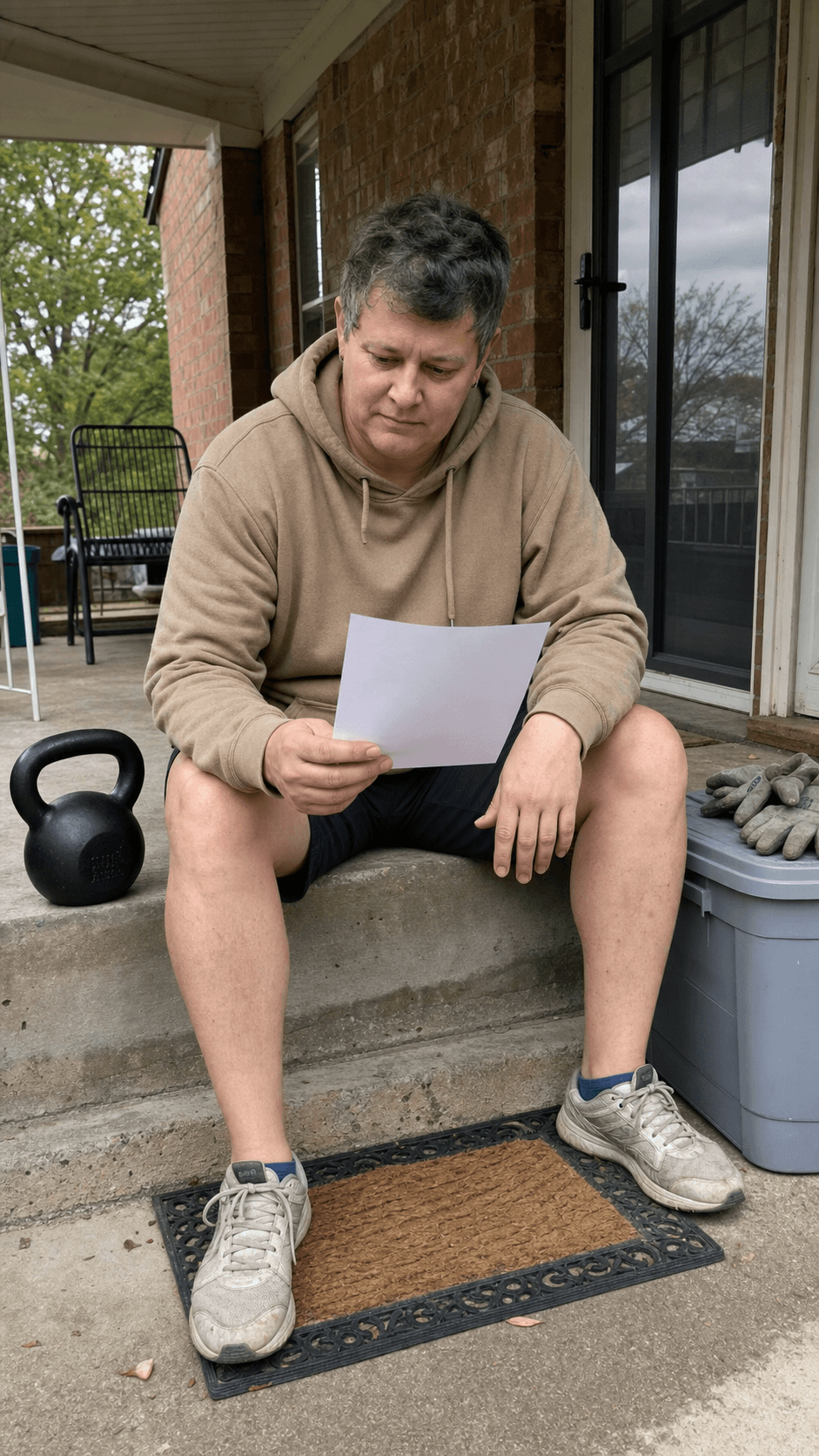
For this buyer, a useful setup starts with short, repeatable training windows near the most controllable parts of the schedule. That may mean a home kettlebell session before prep, a backup session after paperwork, and a minimum-session fallback for weeks with staff coverage problems. Nutrition support should stay practical: protein anchors, water, planned meals around the shift, and a simple reset after late service rather than a complex food system nobody can run. The reviewer should be able to see the buyer, the constraint, the weekly evidence, and the next review step without needing a template explanation.
What makes the page worth reviewing
This topic earns review because the buyer intent is specific. Restaurant owners are not asking for a generic online plan; they are asking whether a coach can make accountability work inside an unstable service business. A stronger page should name the operating reality, link to the main online coaching path, explain the scorecard option, and make the next step a fit review. That keeps the page helpful without pushing instant checkout. The reviewer should be able to see the buyer, the constraint, the weekly evidence, and the next review step without needing a template explanation.
Conservative next step
The right next step is to gather enough context to decide whether the Hareline block fits. The scorecard can show readiness quickly, while the application gives room to describe schedule pressure, equipment, training history, and the standard the owner wants to hold. If the review shows fit, the plan can be built around weekly evidence and coach decisions. If not, the owner still gets a clearer picture of the bottleneck. The reviewer should be able to see the buyer, the constraint, the weekly evidence, and the next review step without needing a template explanation.
What Josh should see in review
Before this topic ever becomes public, the review queue should make the buyer intent obvious: online fitness coaching for restaurant owners with weekly accountability. The row now separates the audience, the operating constraint, the practical coaching setup, and the review-before-checkout path. That gives Josh a cleaner approval read than the older templated version because the copy names the week, explains the evidence, links to the right service path, and avoids claims that would make the page sound like a promise instead of a fit-reviewed coaching option. It also gives a human reviewer concrete approval handles: the searcher problem, the first useful setup, the weekly evidence, the internal links, and the conservative next action. Those details make the page easier to approve, hold, or send back for edits without guessing why the page exists.